Therapy and Support Animals Australia
Dean's 35 years of experience and Nikki's boarding program together produce dogs reviewers describe as unrecognisable within weeks.
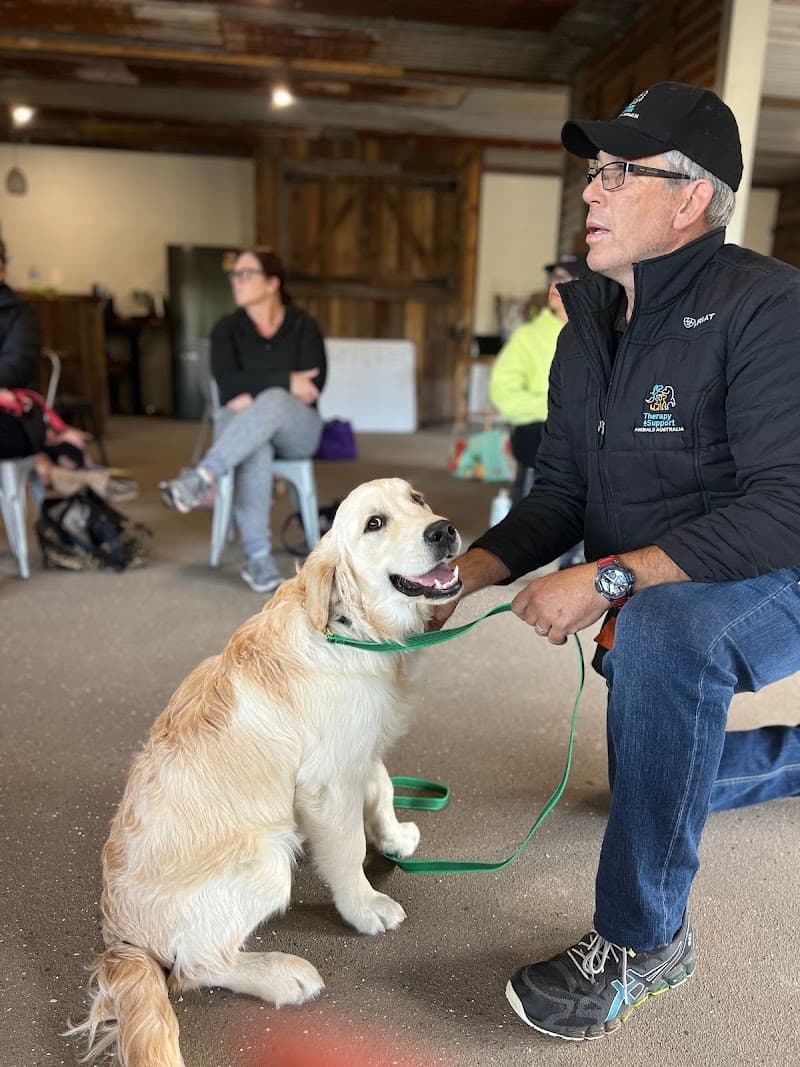
Dean's practical, direct teaching style on the obedience course is mentioned repeatedly as the turning point for owners who had previously struggled to communicate clearly with reactive or hyperactive dogs. TASAA operates as a GST-registered company, which adds a layer of formal accountability that solo operators in this space often lack. If you're considering the stay-and-train, ask upfront about the recommended follow-up course timeline — reviewers consistently describe the pairing as the full investment worth making.
Their work

What it's like working with them
Based on a sample of Google reviews (86 total)
“comprehensive video updates throughout their stay”
What they help with
Based on what their customers hired them for
How they stack up
Context from 21 dog trainings in Brisbane
Credentials & background
Sourced from 5 public records so you don't have to look them up yourself
About Therapy and Support Animals Australia
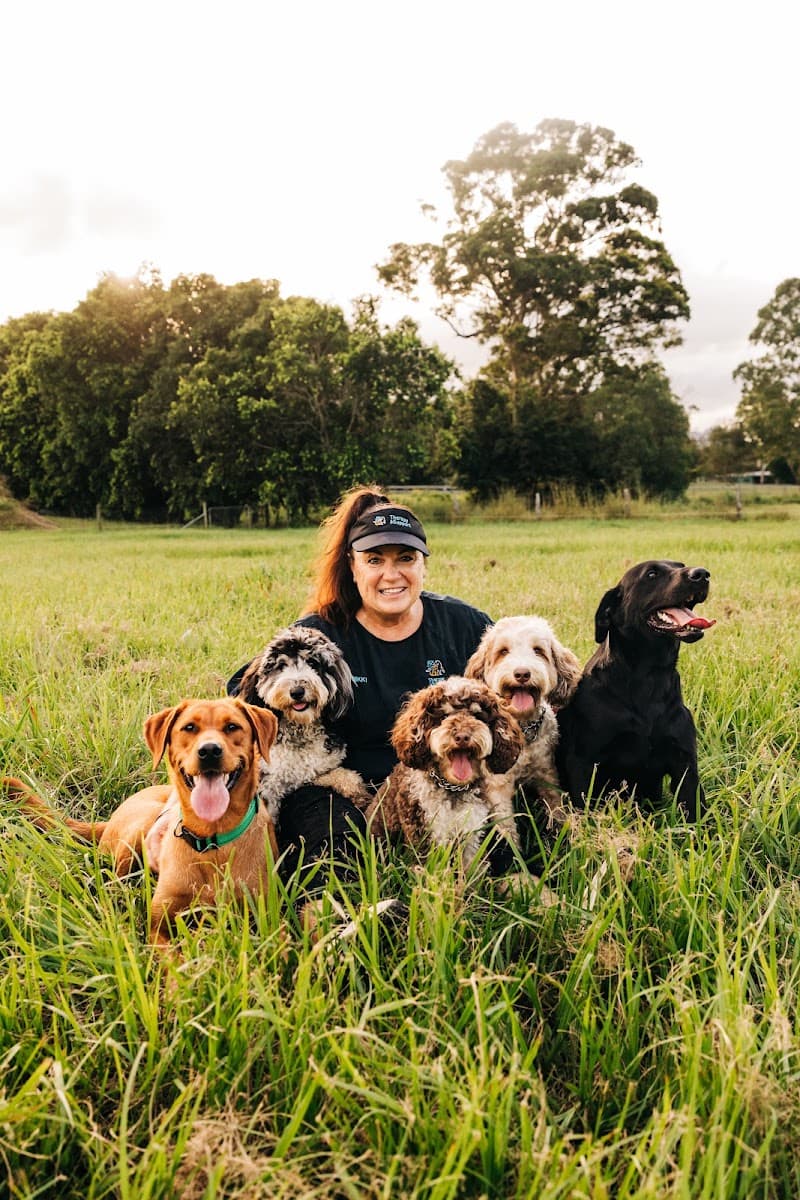
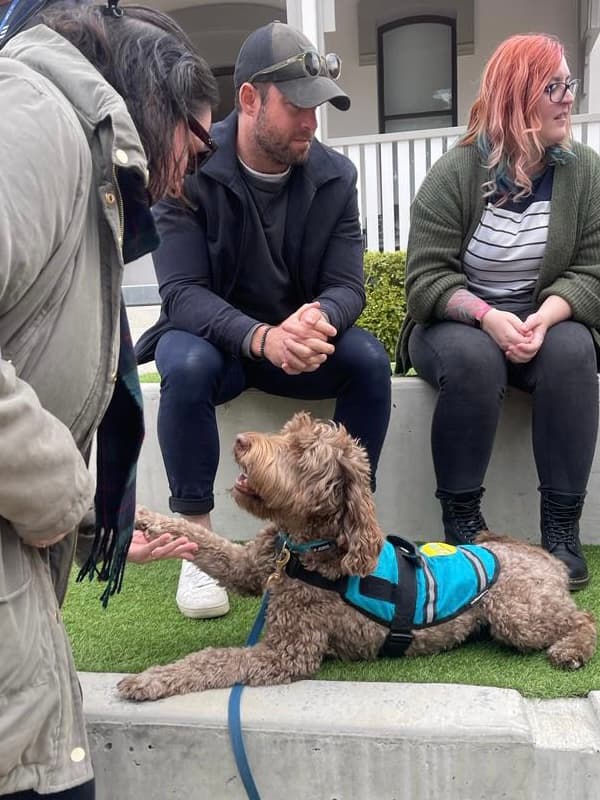
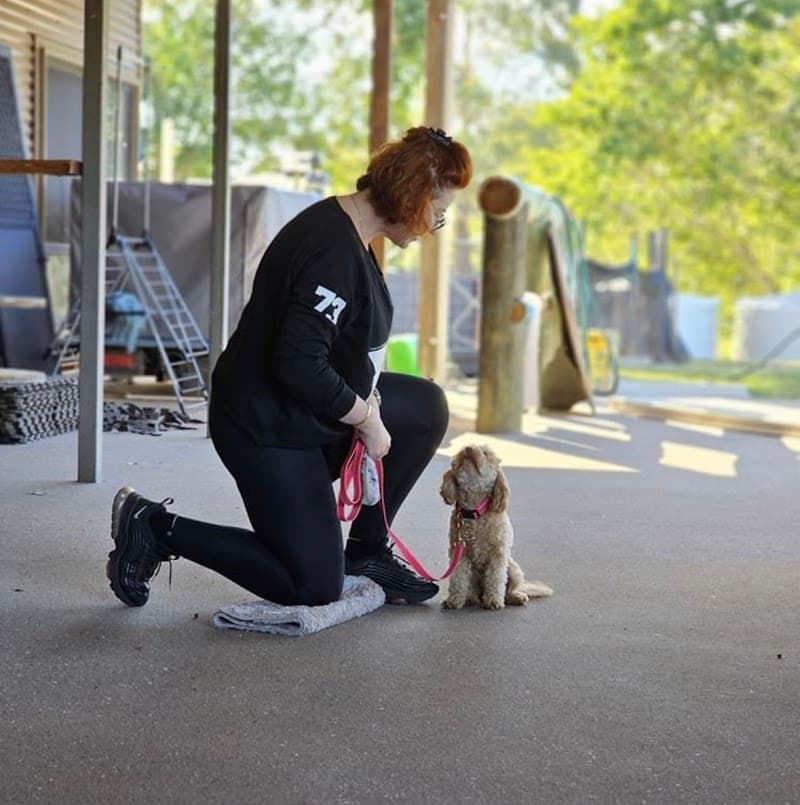
Therapy and Support Animals Australia, led by Nikki Bignell, runs residential dog training programs from their Yugar property that span everything from puppy foundation work to certified therapy dog accreditation — a pathway most general obedience trainers don't offer at all. Nikki anchors the stay-and-train programs, where puppies board for 28 days or longer and come home crate-trained, toilet-trained, and desensitised to distractions; Dean brings over 35 years of handling experience to the Intensive Obedience Course, praised specifically for his no-nonsense ability to explain corrections and timing in ways that actually change owner behaviour, not just dog behaviour. Matt Grace also instructs on the obedience and therapy courses and is noted for patience and a thorough understanding of dog psychology. The program is distinctive in how explicitly it trains the human alongside the dog — multiple reviewers note they walked away understanding posture, timing, and consistency in ways that changed how they communicate with their animals permanently. Beyond companion obedience, the team certifies dogs for active therapy roles in schools, clinics, and aged care, meaning owners with a working-dog goal have a clear accreditation pathway to follow after foundation training. The grooming course is a less-publicised but well-regarded add-on, where owners learn hands-on scissor, clipper, and brushing technique in a single session.
Best for: new puppy owners who want foundation training handled professionally from the start, families pursuing therapy or support animal certification, and owners of reactive or difficult adolescent dogs who need structured handler coaching alongside dog training.
Location
Is this your business?
Claim your free profile to take control, start receiving booking requests via SMS, and stand out from competitors.
Claim This Profile — Free →Common questions about Therapy and Support Animals Australia
What is the difference between the Stay and Train program and the Intensive Obedience Course?+
The Stay and Train is a boarding program — typically 28 days — where your puppy lives with Nikki and her team and comes home crate-trained, toilet-trained, desensitised to distractions, and grounded in basic commands. The Intensive Obedience Course is a 4-day handler program run by Dean and Nikki where you attend with your dog and learn the theory and practical mechanics of training yourself. Multiple reviewers recommend doing both in sequence: the stay-and-train builds the dog's foundation, and the obedience course gives you the tools to maintain and build on it at home.
Can TASAA train a dog specifically to become a certified therapy or support animal?+
Yes — therapy and support dog accreditation is a core part of what distinguishes TASAA from standard obedience trainers. Reviewers describe a clear pathway: foundation stay-and-train, followed by the intensive obedience course, and then specific therapy certification training. Certified dogs have gone on to work in primary schools, universities, clinics, aged care facilities, and with families managing trauma or anxiety. Nikki, Dean, and Matt all have experience preparing dogs for these active working roles.
What happens if I can't attend in person for the stay-and-train — can I still see my puppy's progress?+
The team sends regular video updates throughout the boarding period, which reviewers consistently mention as a reassuring feature — especially for owners who are anxious about leaving a new puppy. Several reviews note they could see marked skill progression from video to video. Owners are also encouraged to visit during the stay, and some attended the obedience course on-site before picking their dog up at the end of the program.
Is TASAA suitable for dogs with reactivity or behavioural problems, or is it mostly for puppies?+
Both, based on the review sample. The stay-and-train is heavily used for puppies, but the Intensive Obedience Course draws owners with adolescent and adult dogs dealing with reactivity, excessive jumping, pulling on lead, and anxiety around other dogs or strangers. One reviewer brought a 7-year-old dog and reported clear improvement. Dean is specifically praised for his frank, experience-backed approach to correcting established bad habits without sugar-coating what's needed from the owner.
Where is TASAA located, and do they travel to clients or is it facility-based training only?+
Training is based at their facility in Yugar, QLD, in the hills north-west of Brisbane. The stay-and-train and group obedience courses are conducted on-site. One-on-one sessions with Nikki are also available at the facility. Reviews don't mention mobile or home-visit services, so if travel to Yugar is a concern, confirm directly with the team whether any off-site options are offered.